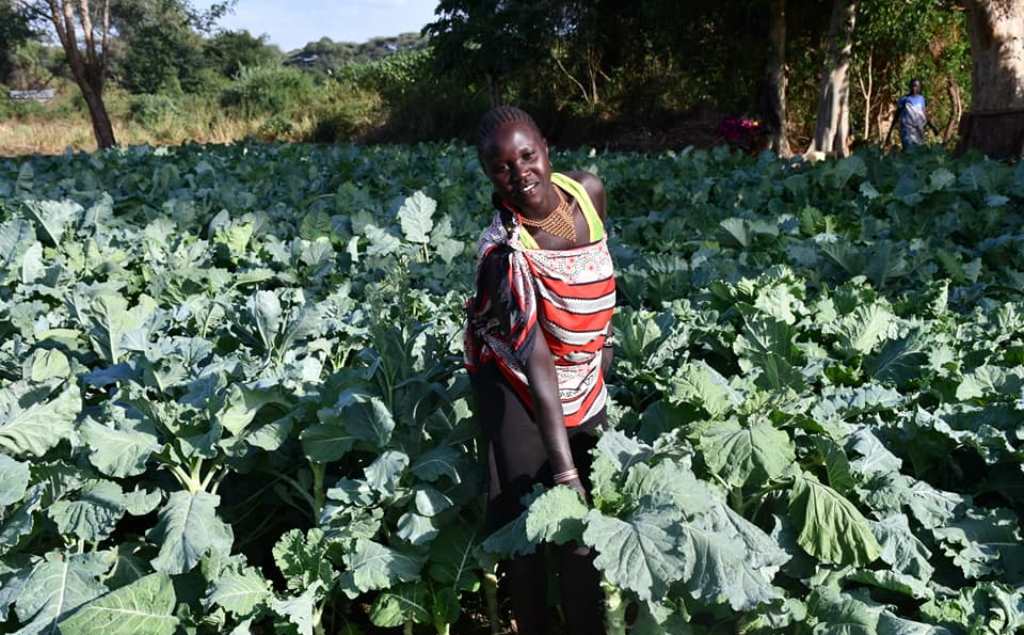

The Tanzania Horticultural Association (TAHA) that is committed to the growth, promotion, continued development of the horticulture industry in the country has of late raised the economic status of women and surpassed the prospects, it was said.
TAHA Chief Executive Officer (CEO), Ms. Jacqueline Mkindi, made the revelation in Arusha over the weekend ahead of the International Women's Day today, adding that in the past women had a huge burden in the family, working without pay in some places, being denied opportunities to engage profitably in Agriculture, particularly in Horticulture, but through TAHA's concerted efforts that is now history.
"We are proud to have facilitated and motivated women to venture in horticultural production and get money. We have more than 1,000 demonstration plots and training centres that are open all the times and have accelerated considerably women participation," said Ms. Mkindi.
She said as the world marks the International Women's Day, TAHA is proud to have raised several women in the horticultural production and bringing them up from a mere eight per cent in the past to a whopping 65 percent now in the value chain in their operating areas.
Through "Horticulture for Health and Wealth", TAHA has enabled women to acquire extension services especially during production and in value chain groups.
The list also included making women to get agricultural equipment inputs and production resources, participation in decision-making organs and groups, as well as empower them to access markets with good prices for their products, adding that in all its projects, TAHA has 60 percent of stakeholders being women.
Ms. Mkindi says that traditionally it used to be a challenge for women to engage in market searches, especially the far-off ones, given the fact of distances from farms to market that are typically men-dominated and not friendly or safe to women, and rendering them with minimum authority in deciding when, where and how much to sell their produce.
With TAHA's interception by raising awareness and offering training to women on necessity to participate fully in development activities, things have positively changed and now more women are in the driving seat in horticultural products, accessing well marketing information systems availed to them by TAHA.
TAHA's Business Enabling Manager, Mr. Kelvin Remen, says the system has more than 41,000 stakeholders in growers and traders, 30 percent of whom are women.
Through the system, the women can receive different information regarding markets for horticultural goods, such as prices, buyers, transportation issues and all these are through their mobile phones wherever they are.
"As a result of concerted efforts by TAHA, we can now perceive a vividly growing ratio of women who penetrate big markets, make business. In the past women did not make even 15 percent in such markets, but now we are happy that the number has more than doubled and we hope that as we keep on raising awareness and offer training, the percentage will appreciate in the near future."
"There had been challenges in getting farm inputs and modern tools and implementing projects, but now there are many women who are in operationalisation of things such as greenhouses, high breed seeds, use of seeding trays and drip irrigation and are doing that with great efficiency."
"TAHA, in 2017, in a move to create conducive environment and welcoming for local and foreign investors in horticulture, through its advocacy and lobbying sent policy recommendations to the Government so that registration fees for fertilizer were reduced from $30,000 to $10,000 and that has handsomely helped women as great players in the sector," said Mr. Remen.
The challenge in lacking capital to start or improve horticultural production among women has since ended since TAHA connected them with financial institutions and banks for credit advances.
Some of those that advance credit facilities to women at affordable interest rates and cheaper terms are NMB, CRDB, Equity Bank, Tanzania Agricultural Development Bank (TADB), Tanzania Growth Trust (TGT) - Zanzibar, Equity for Tanzania Limited bank (EFTA) and Vision Fund.
More than 50 percent of women who were taught about financial record keeping training got loans.